Spiritual Resilience and the True Calling of a Teacher
Presents teaching as a sacred trust and the work of building the Ummah, not merely a career, and offers three daily practices (reviving Iman through La ilaha illallah, Zikr of the Third Kalima, Durood and Istighfar) to withstand classroom stress, alongside Taqwa and Tawakkul as utmost effort with the result left to Allah.
Why Four Months in Jamaat Develops Competencies That Two Years of MBA Cannot Replicate
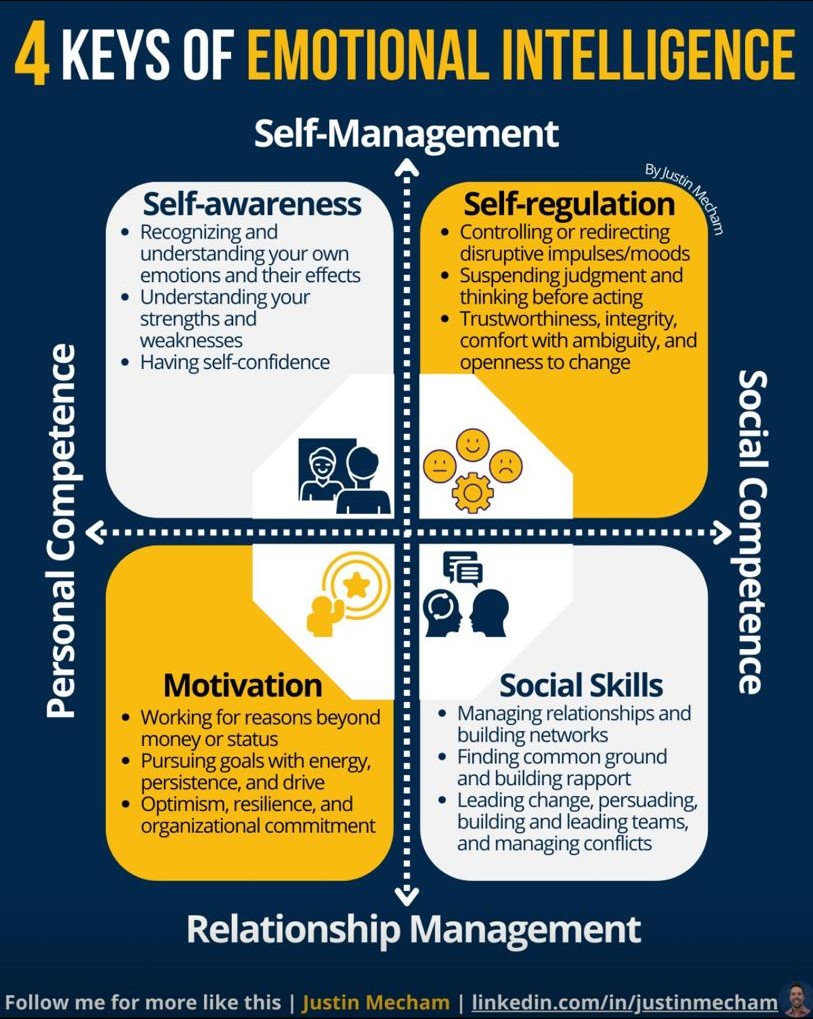
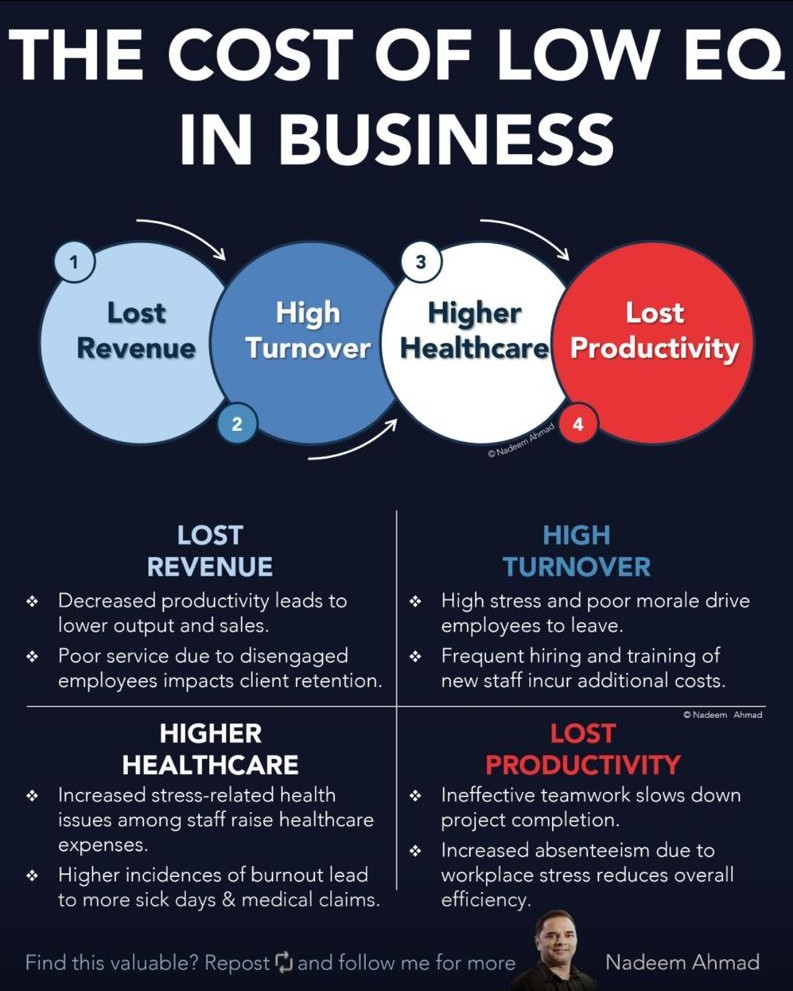
Argues that four months in Tabligh Jamaat develops emotional intelligence and management skills more deeply than a two-year MBA, because it works on the real person under unscripted conditions and with a spiritual anchor. Contends that critics of declining quality confuse a falling percentage with the absolute number of lives transformed.
Critiques the popular advice to stop trying to control your feelings. Grants that it rightly lifted shame about emotion, but argues from hadith and the Qur’anic levels of the nafs that feelings must still be governed, and some, like hasad and kibr, treated: accept a feeling as information, never as authority.
A Comprehensive Analysis of How Its Structure, Methodology and Living Curriculum Produce Transformative Human Development
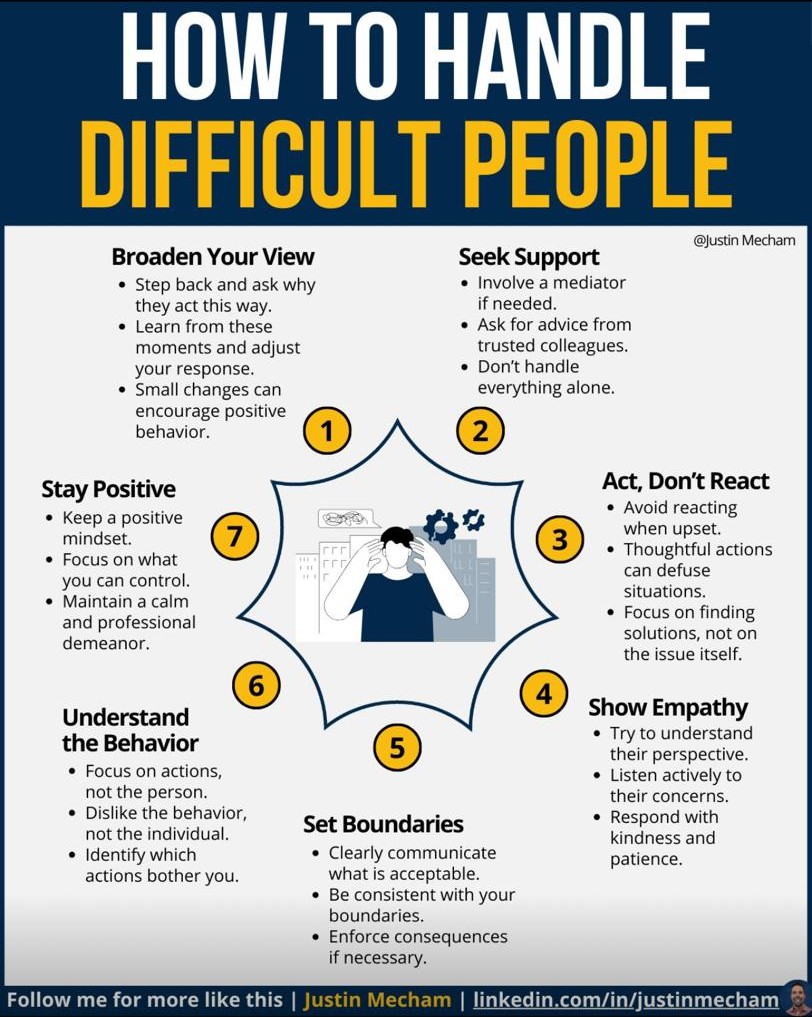
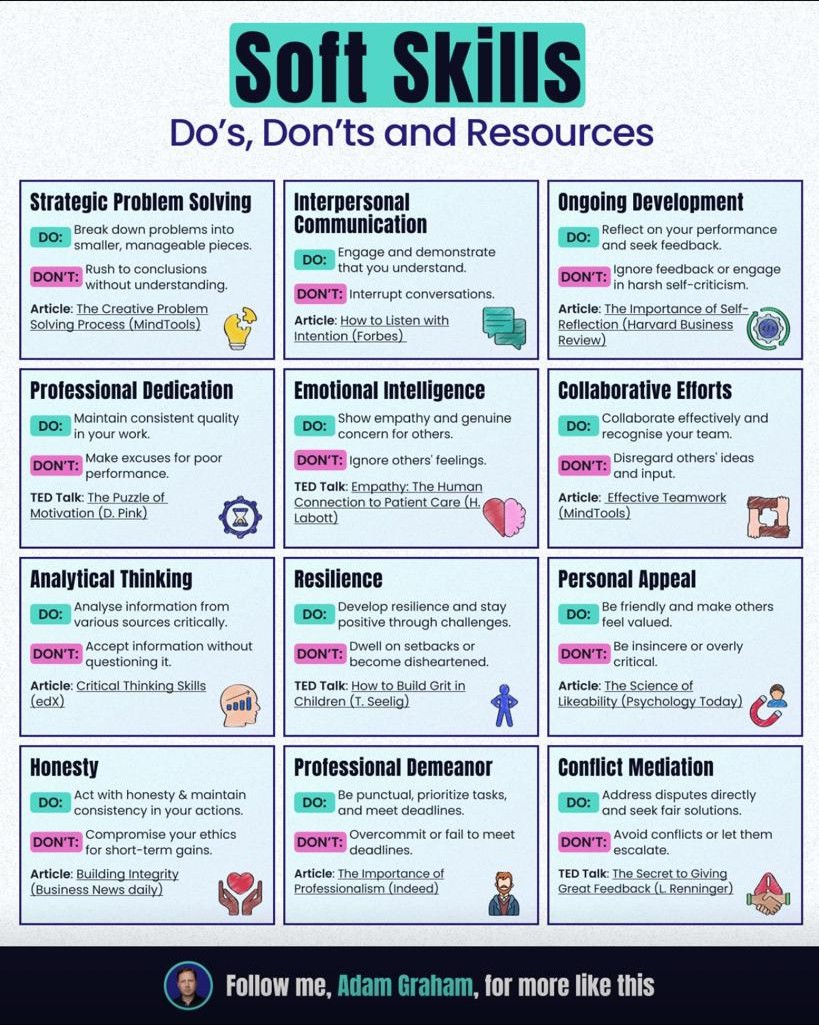
Drawing on leading a 40-day jamaat of twelve men from sharply different backgrounds, argues that Tabligh Jamaat is an underestimated life-coaching programme: the six points and Fazail-e-Aamaal are scaffolding for an immersive curriculum in sabr, empathy, teamwork, time management, public speaking, conflict resolution and leadership, anchored in a spiritual core.