A talk urging teachers to treat their work as building the Ummah, not merely a job, and to withstand pressures at work and home by strengthening heart and mind through daily Iman renewal, Zikr, Durood and Istighfar, with lessons from Salama ibn al-Akwa, Yusuf’s Taqwa, and Tawakkul as effort followed by contentment.
Spiritual Resilience and the True Calling of a Teacher
Presents teaching as a sacred trust and the work of building the Ummah, not merely a career, and offers three daily practices (reviving Iman through La ilaha illallah, Zikr of the Third Kalima, Durood and Istighfar) to withstand classroom stress, alongside Taqwa and Tawakkul as utmost effort with the result left to Allah.
Why Fear Is Natural, Why Fearlessness Is Not Necessarily a Virtue, and Why Courage Is Something Far Greater
Argues that fearlessness carries no automatic virtue: courage means feeling fear, weighing consequences, taking precautions and still acting on examined conviction. Drawing on Musa’s “Indeed, we fear”, the Companions at the Trench, the Seerah and psychology, it presents tawakkul as surrendering the outcome and sakīnah as calm earned through struggle.
Why Four Months in Jamaat Develops Competencies That Two Years of MBA Cannot Replicate
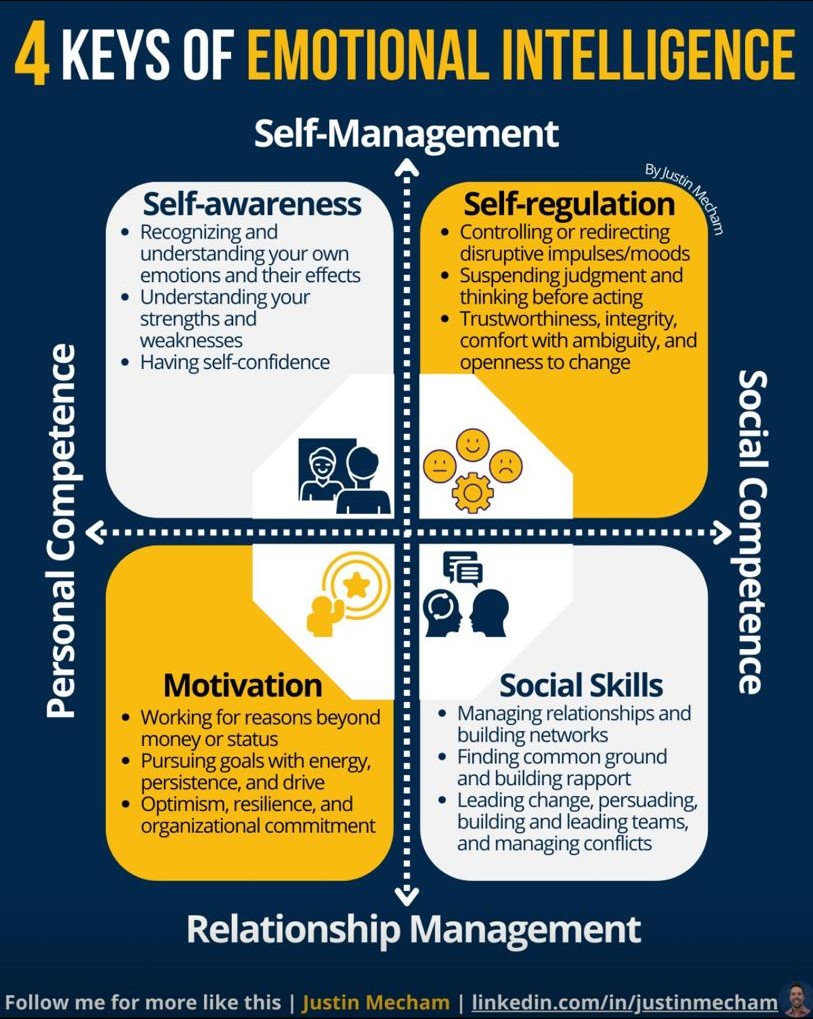
Argues that four months in Tabligh Jamaat develops emotional intelligence and management skills more deeply than a two-year MBA, because it works on the real person under unscripted conditions and with a spiritual anchor. Contends that critics of declining quality confuse a falling percentage with the absolute number of lives transformed.
Critiques the popular advice to stop trying to control your feelings. Grants that it rightly lifted shame about emotion, but argues from hadith and the Qur’anic levels of the nafs that feelings must still be governed, and some, like hasad and kibr, treated: accept a feeling as information, never as authority.
A reflection on understanding, vulnerability, forgiveness, and boundaries — in the light of the Qur’an and Sunnah
A personal reflection on how a disposition to understand and forgive left the author repeatedly exposed to the same harms. Drawing on the Qur’an and Sunnah, it separates understanding from permission and forgiveness from restored access, pairing mercy with firāsah, ḥilm, tawakkul that follows responsibility, and graded boundaries.
An Islamic Guide for Muslims in an Age of War, Anxiety, and Information Overload
Written amid the Iran-Israel conflict, argues that a Muslim’s eyes, ears and heart are an amanah to be guarded: verify before sharing, confine news to set windows, judge sources by the muhadditheen’s standard, and turn grief into du’a, sadaqah and salah with khushu’. Such stewardship, it insists, is not apathy.
Understanding Allah’s Takweeni & Tashree’i Nizaam — A Framework for Spiritual Resilience, Mental Strength, and Unwavering Faith in Times of Global Crisis
Explains the distinction between Allah’s Takweeni Nizaam (His decree over events) and Tashree’i Nizaam (what He commands), arguing that anxiety over the Ummah’s crises and end-times obsession come from confusing the two. It sets out the believer’s lane: disciplined grief, salah, dua, tawakkul after effort, refusing despair, constructive action, curated news and community.